AI in Event Management
Content is Loading….


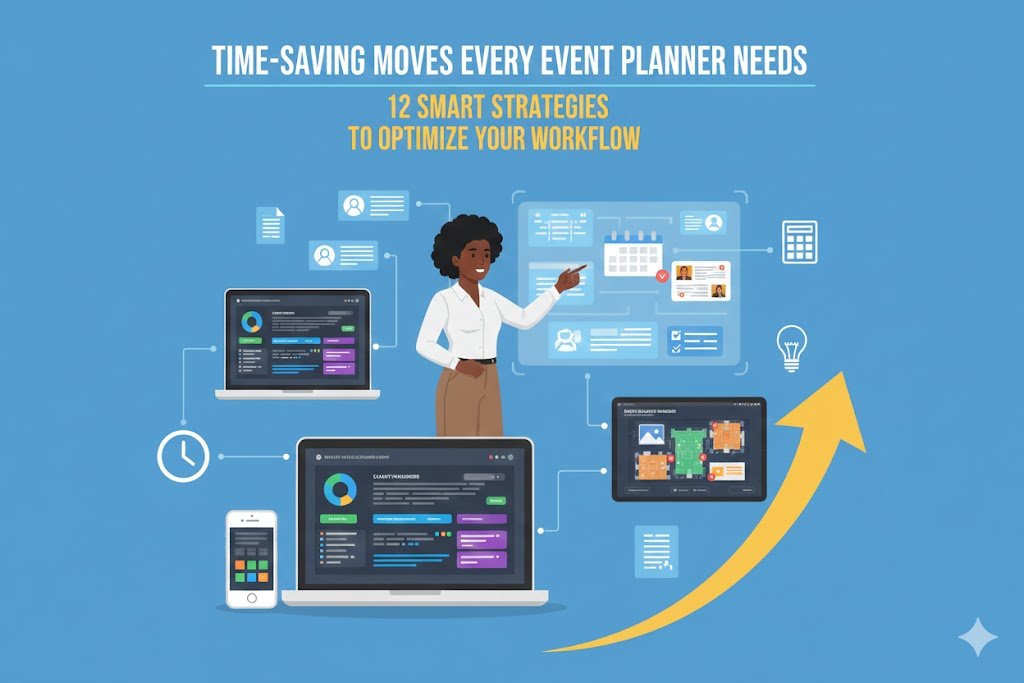
12 Smart Time-Saving Moves Every Event Planner Needs to Know Event planning is fast-paced, demanding, and filled with countless moving parts. If planners don’t follow efficient systems, tasks pile up, delays occur, and stress becomes unavoidable. That’s exactly why applying smart and strategic Time Saving Moves Every Event Planner Needs is essential not optional. These moves help planners manage workflows, collaborate better, reduce repetitive work, and stay mentally organized even during high pressure events. Whether you’re planning a corporate conference, a wedding, a concert, or a community festival, these techniques help cut down hours of unnecessary effort while boosting the quality of execution. This in-depth guide breaks down 12 powerful strategies every event planner can implement immediately. 1. Use Pre-Made Planning Templates One of the most effective Time-Saving Moves Every Event Planner Needs is creating a library of ready to use templates. Templates eliminate repetitive work and boost consistency across all events. Why Templates Save Hours of Work Templates reduce decision making by giving you pre built structures for: Budgets Event timelines Venue comparison sheets Vendor contract formats Task assignment charts Social media plans Guest list sheets Instead of building these documents from scratch for every event, you simply duplicate and customize. Best Templates Every Planner Should Maintain Run of Show (ROS) templates Vendor evaluation sheets Risk management templates Payment tracker templates Client onboarding questionnaire This collection becomes your personal toolkit for fast, organized planning. 2. Automate Repetitive Tasks Automation is one of the greatest modern Time-Saving Moves Every Event Planner Needs, especially when handling large events with multiple communication layers. What Event Tasks You Can Automate Automated event registration confirmations Attendee reminder emails Follow up messages Invoice generation Task reminders Lead capture and categorization Instead of sending 300 manual emails, let the system do it for you. Tools That Make Automation Easy Here are top tools you can use: Purpose Tool Email automation – Mailchimp, HubSpot Task automation – Zapier, Make Project workflows – Airtable Automations Client communication – Calendly, WhatsApp API 3. Build a Vendor Database Searching for vendors repeatedly is time-consuming. A centralized vendor database allows you to access all vendor details instantly, making it one of the essential Time-Saving Moves Every Event Planner Needs. What to Include in a Vendor Database Category (Catering, Decor, Photography, AV, etc.) Packages + price ranges Contact details Response time rating Past event reviews Availability patterns Service quality scoring Benefits of Having a Vendor Database Faster vendor selection No repeated research Easier negotiation Better event to event consistency It’s a long term asset that saves countless hours every year. 4. Use Smart Budgeting Tools Managing event finances manually often leads to delays and errors. Smart budgeting tools streamline your financial workflows, making them one of the most effective Time-Saving Moves Every Event Planner Needs. Features of Efficient Budgeting Tools Real time cost tracking Auto updating totals Vendor wise expense breakdown Access for team members Built in invoice storage Exportable reports Recommended Budgeting Tools Excel + Google Sheets Monday.com Zoho Books QuickBooks Notion Budget Templates Using these tools cuts your financial management time by 30–40%. 5. Implement a Clear Communication System Communication issues cause delays, duplicate work, and confusion. A structured system is essential. Best Communication Methods for Event Teams WhatsApp groups for quick updates Slack for department wise channels Trello for project communication Email templates for standard replies Voice notes for urgent instructions Client Communication Simplification Use: Pre made briefing forms Shared event documents Automated calls & reminders Standard FAQs A clear system ensures fast decision making and minimal misunderstandings. 6. Delegate Tasks to a Skilled Team Trying to do everything yourself causes burnout and delays. Smart delegation is one of the most impactful Time-Saving Moves Every Event Planner Needs. How to Delegate Effectively Assign tasks based on strengths Define roles clearly Share timelines and responsibilities Use project management tools Trust your team Sample Delegation Structure Logistics Lead: Transport, load-in/out Vendor Lead: Coordination and payments Decor Lead: Setup, props, visuals Stage Lead: Performers, cues, sequences Guest Management Lead: registrations, seating Delegation frees your mind for critical decision making. 7. Use Time-Blocking for Daily Tasks Time blocking is a proven productivity technique that helps planners stay focused, making it one of the practical Time-Saving Moves Every Event Planner Needs. How Time Blocking Works You divide your day into focused blocks such as: 10–11 AM: Vendor follow-ups 12–1 PM: Budget review 3–4 PM: Team coordination 5–6 PM: Event timeline planning Benefits for Event Planners Zero multitasking Reduced confusion Faster task completion Better focus Easier scheduling 8. Standardize Event Checklists A standardized checklist prevents errors and improves planning speed, making it one of the essential Time-Saving Moves Every Event Planner Needs. Essential Pre Event Checklist Items Concept finalization Venue booking Vendor confirmation Budget planning Guest list mapping On-the-Day Checklist Setup inspection Sound & light testing Team briefings Registration counter readiness Post Event Checklist Vendor payments Feedback collection Material return Review meeting Using the same checklist across events saves days of planning time every month. 9. Rely on Digital Floor Plans Visualizing layouts digitally helps teams understand setups faster, making it one of the key Time-Saving Moves Every Event Planner Needs. What Digital Floor Plans Include Stage positions Guest seating Decor zones Entry & exit flow AV placements Catering points Tools for Digital Layouts Canva AllSeated Social Tables Foyr Neo These tools allow quick revisions without manual labor. 10. Optimize On-Site Setup Processes On site setup can make or break timelines. A planned approach saves hours. Ways to Speed Up Setup Create departmental zones Use color coded ID cards Define a setup sequence Share layout map beforehand
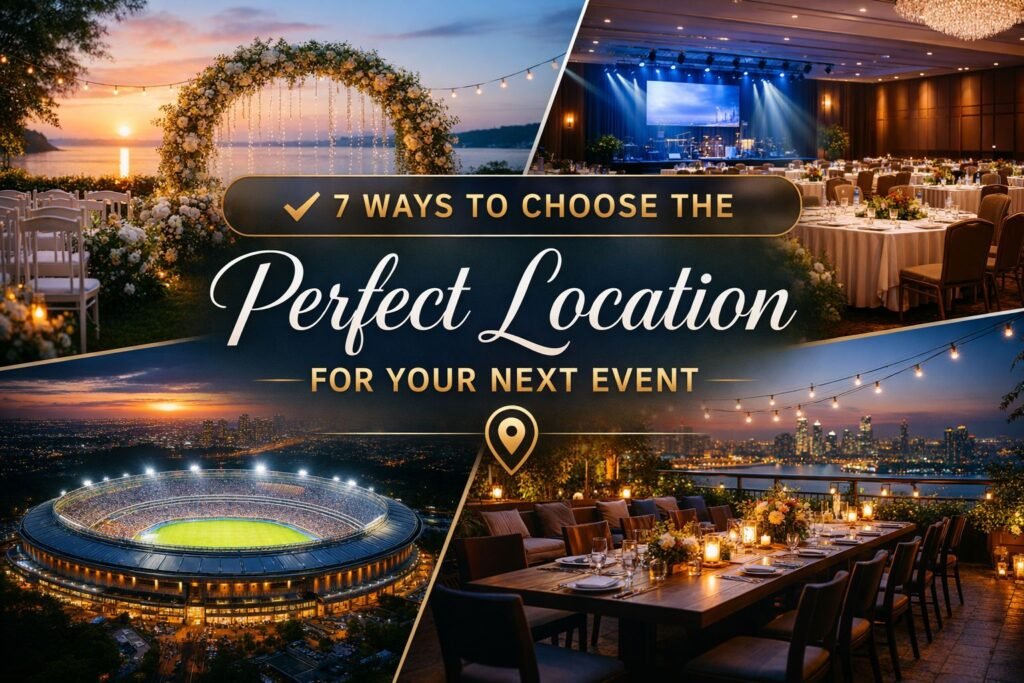
7 Ways to Choose the Perfect Location for Your Next Event Planning an event becomes much easier when you know how to Choose the Perfect Location for Your Next Event. The right venue sets the tone, enhances guest experience, and helps your event succeed. Whether it’s a corporate gathering, wedding, sports event, or cultural celebration, choosing the right location can either elevate the event or create unnecessary challenges. This guide breaks down 7 practical and easy-to-follow ways to select the ideal event location, ensuring your planning becomes smooth, organized, and stress-free. 1. Understand Your Event Type Before You Choose the Perfect Location for Your Next Event Every event has a purpose, and the location should support that purpose. A product launch needs a modern venue. A wedding requires an aesthetic and emotional setting. A sports event needs wide open space. Before you Choose the Perfect Location for Your Next Event, ask yourself: What type of experience do you want to create? Professional Fun Elegant Energetic Formal or informal Does the location match the event’s theme? For example: Conferences → Hotels, convention centers Weddings → Resorts, lawns, heritage venues Corporate events → Banquet halls, rooftop spaces Sports events → Stadiums, open grounds A good location always aligns with the event’s purpose and theme. 2. Consider Your Target Audience & Their Comfort Your audience decides whether your event succeeds. Understanding your guests’ lifestyle, age group, convenience, and expectations helps you Choose the Perfect Location for Your Next Event effectively. Key questions to ask Where does your audience live? How far are they willing to travel? Do they expect luxury, simplicity, or professionalism? Are they coming in large groups or individually? Example scenarios If your audience is mostly corporate professionals → choose venues near business districts. If your guests include families → pick safe, child-friendly venues. For elderly attendees → ensure proper seating, ramps, and transportation access. Understanding your target group ensures higher attendance and engagement. 3. Check Accessibility Before You Choose the Perfect Location for Your Next Event Accessibility is one of the biggest factors in venue selection. A beautiful venue loses its value if guests struggle to reach it. Accessibility checklist Is the venue easy to find via Google Maps? Are there nearby public transport options? Does it offer enough parking space? Are there elevators and ramps for special-needs guests? Transportation considerations If your event runs late at night, ensure guests have safe transportation. If your venue is outside the city, you may need to arrange: Shuttle buses Cab tie-ups Pick-up and drop services A well-connected location helps you Choose the Perfect Location for Your Next Event that people will enjoy visiting. 4. Analyze Venue Capacity & Layout Capacity defines the comfort of your event. Too small → overcrowded Too large → looks empty Both affect event experience. How to determine correct capacity Expected number of attendees Seating style (theatre, round table, clusters) Space for stage, dining area, stalls, or entertainment Layout considerations Before you Choose the Perfect Location for Your Next Event, check if the layout supports: Entry/exit routes Emergency escape points Separate zones (registration, dining, networking) Open areas for movement A well-planned layout makes the event smooth and enjoyable. 5. Evaluate Facilities & On-Site Support A venue is not just a space—it’s a service. When you Choose the Perfect Location for Your Next Event, make sure the venue provides essential facilities so you don’t have to manage everything yourself. Facilities to check In-house catering Clean washrooms AV equipment Projectors, sound systems Lighting options Wi-Fi and internet speed Power backup generators On-site staff support Technical team Event coordinator Security personnel Parking assistants Catering team A venue with strong support makes event management 5x easier. 6. Review Your Budget & Hidden Costs Budget is one of the most deciding factors. While choosing the perfect location for your next event, check: What’s included in the venue cost? Hall rental Decorations Electricity charges Cleaning staff Water & AC usage Security Catering packages Look out for hidden charges Overtime costs Corkage fees (if bringing outside food/drinks) Extra electricity usage Additional chairs/tables Music license Budget planning saves you from last-minute surprises and keeps the event financially aligned. 7. Check the Ambience, Theme, & Customization Options Even the best facilities fail if the ambience is not right. The venue atmosphere should match your event’s theme, mood, and emotional tone. Ambience checklist Lighting Wall color Outdoor view Indoor decoration Cleanliness Mood (romantic, corporate, energetic, modern) Customization options Ask the venue if you can customize: Stage design Lighting effects Seating patterns Branding elements Backdrops Theme decorations Before you Choose the Perfect Location for Your Next Event, ensure the venue allows creative freedom so your event looks unique and memorable. Bonus Tip: Visit the Location Personally Never finalize a venue without a physical visit. During the visit, check: Real-time ambience Staff behavior Cleanliness Noise level Access points Parking size A personal visit eliminates confusion and ensures you Choose the Perfect Location for Your Next Event with full confidence. Final Thoughts Choosing the right venue is more than just ticking boxes—it’s about creating an environment where your event can truly shine. When you take time to Choose the Perfect Location for Your Next Event, you set the foundation for a memorable experience. A thoughtfully selected location improves guest comfort, increases participation, and supports the overall flow of activities. It influences mood, energy, and the effectiveness of every element—from presentations and performances to networking and celebrations. A perfect venue also reflects your brand, theme, and event purpose. Whether you’re planning a corporate meet, a wedding, a sports event, or a cultural program, the right location ensures everything aligns seamlessly. It reduces stress, minimizes last-minute changes, and gives you room to be creative. Always remember: a beautiful venue with poor accessibility or lack of facilities will never give you the results you want. So evaluate each factor carefully, compare multiple options, and make decisions based on comfort, practicality, and long-term value. By following the seven strategies shared above, you’ll be
Introduction (Event content creation strategies for event planners) Event content creation strategies for event planners are no longer optional—today, they are a necessity for every event’s success. Whether you’re planning corporate shows, weddings, exhibitions, trade fairs, or brand activations, content is what helps you communicate your message, attract the right audience, and build memorable experiences. Modern events are driven by content—before, during, and after the event. From teasers and social posts to presentations, highlights reels, blogs, and recap videos, every piece of content shapes the attendee journey. This guide covers 10 powerful, practical, and actionable strategies that event planners can use right away. Why Event Content Matters in Modern Event Planning Content does more than promote an event— it builds anticipation, strengthens emotional connection, and elevates the brand experience. Short reasons why content matters: It drives registrations and ticket sales It creates a strong digital presence It helps your audience understand the event value It supports sponsors, partners, and speakers It helps you repurpose material post-event It improves SEO, brand recall, and audience trust Well-planned content transforms an ordinary event into an unforgettable one. Event Content Creation Strategies for Event Planners Here you’ll find 10 major event content creation strategies for event planners, designed to help you build professional, high-impact, and scalable content output. 1. Create a Strong Event Narrative Your event needs a story—a theme, purpose, and emotional direction. A strong narrative helps guide all content pieces such as: Tagline Event theme Visual tone Social media captions Speaker messages A clear narrative sets the stage for everything that follows and gives your content a unified voice. 2. Develop a Pre-Event Content Calendar Consistency improves engagement, which is why a content calendar is essential. Include elements such as: Social media countdown posts Speaker introductions Venue previews Behind-the-scenes clips Teaser videos Partner/sponsor spotlights A structured schedule increases reach and keeps excitement alive leading up to the event. 3. Use Landing Pages & Blog Content Create an SEO-friendly landing page for your event with: Event details Speaker list Agenda Registration links FAQ Testimonials 4. Produce High-Impact Teaser Videos Short videos perform extremely well online. Use formats like: 15–30 second hype videos Behind-the-scenes clips Speaker quotes Venue walkthroughs Sponsor endorsements These videos increase organic and paid reach and generate buzz well before the event. 5. Real-Time Social Media Coverage During the Event Live content instantly increases visibility and engagement. Use: Live-stream sessions Reels and Shorts Instagram stories X (Twitter) updates LinkedIn highlights Real-time coverage makes online audiences feel like they are part of the experience. 6. Event Photography & Videography Invest in professional coverage that captures: Candid audience reactions Stage performances Panel discussions Booths and setups Sponsor boards Networking activities High-quality visuals become valuable assets for future promotions. 7. Interactive Content for Attendees Engagement during the event boosts participation. Use interactive elements such as: Polls Q&A AR photo booths Live quizzes Digital badges Hashtag walls Interactive content creates buzz and improves audience retention. 8. Visual Content & Graphic Design Approaches Brand-Consistent Graphics Maintain consistent design elements including: Brand colors Typography Logo placement Icon styles Layout structure This helps create a recognizable identity. Templates for Faster Production Prepare reusable templates for: Speaker cards Agenda designs Sponsor posts Announcements Countdown posts Templates ensure fast, consistent output. Use Infographics Infographics turn complex info into simple visuals, such as: Event schedules Topic breakdowns Speaker profiles Event maps They are highly shareable and great for SEO. 9. Storytelling Techniques for Events Emotion-Driven Messaging Write content that speaks to the audience’s aspirations and challenges. Example: “Experience a transformational evening that inspires change.” Hero-Journey Storytelling Useful for corporate events and conferences. Follow this structure: What is the challenge? What is the solution? Who is the guide (speaker)? What transformation will the audience experience? User-Generated Content (UGC) Encourage attendees to share: Stories Photos Reviews Testimonials Reels Feature them on your social media and website to boost credibility. 10. Social Media Integration Create an Event Hashtag Your hashtag should be unique, short, and easy to remember. Example: #IndivaLive2025 Platform-Specific Content Each platform requires different content styles: Instagram: Reels, Stories, Carousels LinkedIn: Speaker highlights, Event recaps Facebook: Live videos, Albums YouTube: Full sessions, Highlight reels X (Twitter): Real-time updates Influencer & Speaker Collaborations Ask partners to: Share event posts Create short videos Tag your brand Share facts or quotes This amplifies your event’s reach significantly. Common Mistakes to Avoid (Event content creation strategies for event planners) Avoid these mistakes to maintain professional content quality: Inconsistent posting Poor branding Low-quality visuals Long, unclear paragraphs Ignoring SEO No post-event follow-up Missing internal/external links Not repurposing content Final Thoughts (Event content creation strategies for event planners) Using the right event content creation strategies for event planners is what separates average events from extraordinary ones. With a clear content roadmap before, during, and after the event, you can: Build a strong digital presence Attract more attendees Impress sponsors Strengthen long-term brand value Consistent and strategic content is the backbone of modern event planning.