Introduction (Event content creation strategies for event planners)
Event content creation strategies for event planners are no longer optional—today, they are a necessity for every event’s success. Whether you’re planning corporate shows, weddings, exhibitions, trade fairs, or brand activations, content is what helps you communicate your message, attract the right audience, and build memorable experiences.
Modern events are driven by content—before, during, and after the event. From teasers and social posts to presentations, highlights reels, blogs, and recap videos, every piece of content shapes the attendee journey.
This guide covers 10 powerful, practical, and actionable strategies that event planners can use right away.
Why Event Content Matters in Modern Event Planning
Content does more than promote an event—
it builds anticipation, strengthens emotional connection, and elevates the brand experience.
Short reasons why content matters:
- It drives registrations and ticket sales
- It creates a strong digital presence
- It helps your audience understand the event value
- It supports sponsors, partners, and speakers
- It helps you repurpose material post-event
- It improves SEO, brand recall, and audience trust
Well-planned content transforms an ordinary event into an unforgettable one.
Event Content Creation Strategies for Event Planners
Here you’ll find 10 major event content creation strategies for event planners, designed to help you build professional, high-impact, and scalable content output.
1. Create a Strong Event Narrative
Your event needs a story—a theme, purpose, and emotional direction.
A strong narrative helps guide all content pieces such as:
- Tagline
- Event theme
- Visual tone
- Social media captions
- Speaker messages
A clear narrative sets the stage for everything that follows and gives your content a unified voice.

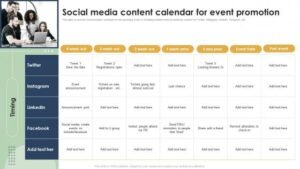
2. Develop a Pre-Event Content Calendar
Consistency improves engagement, which is why a content calendar is essential.
Include elements such as:
- Social media countdown posts
- Speaker introductions
- Venue previews
- Behind-the-scenes clips
- Teaser videos
- Partner/sponsor spotlights
A structured schedule increases reach and keeps excitement alive leading up to the event.
3. Use Landing Pages & Blog Content
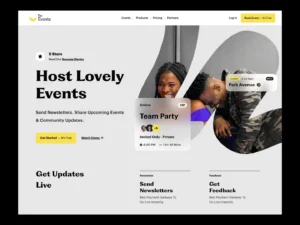
Create an SEO-friendly landing page for your event with:
- Event details
- Speaker list
- Agenda
- Registration links
- FAQ
- Testimonials
4. Produce High-Impact Teaser Videos
Short videos perform extremely well online. Use formats like:
- 15–30 second hype videos
- Behind-the-scenes clips
- Speaker quotes
- Venue walkthroughs
- Sponsor endorsements
These videos increase organic and paid reach and generate buzz well before the event.

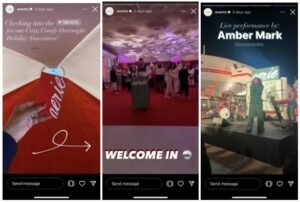
5. Real-Time Social Media Coverage During the Event
Live content instantly increases visibility and engagement. Use:
- Live-stream sessions
- Reels and Shorts
- Instagram stories
- X (Twitter) updates
- LinkedIn highlights
Real-time coverage makes online audiences feel like they are part of the experience.
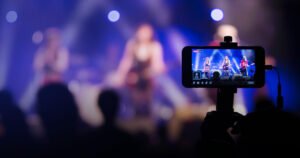
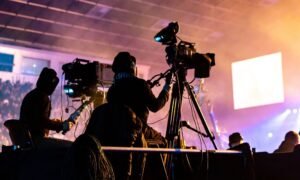
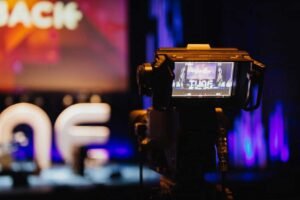
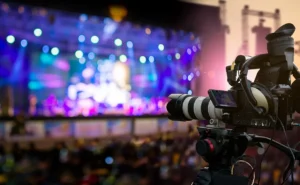
6. Event Photography & Videography
Invest in professional coverage that captures:
- Candid audience reactions
- Stage performances
- Panel discussions
- Booths and setups
- Sponsor boards
- Networking activities
High-quality visuals become valuable assets for future promotions.
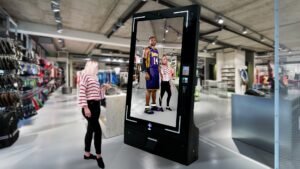
7. Interactive Content for Attendees
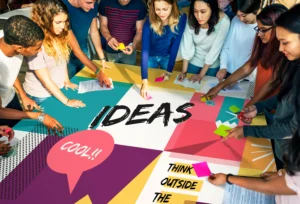
Engagement during the event boosts participation. Use interactive elements such as:
- Polls
- Q&A
- AR photo booths
- Live quizzes
- Digital badges
- Hashtag walls
Interactive content creates buzz and improves audience retention.
8. Visual Content & Graphic Design Approaches
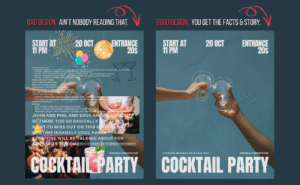
Brand-Consistent Graphics
Maintain consistent design elements including:
- Brand colors
- Typography
- Logo placement
- Icon styles
- Layout structure
This helps create a recognizable identity.
Templates for Faster Production
Prepare reusable templates for:
- Speaker cards
- Agenda designs
- Sponsor posts
- Announcements
- Countdown posts
Templates ensure fast, consistent output.
Use Infographics
Infographics turn complex info into simple visuals, such as:
- Event schedules
- Topic breakdowns
- Speaker profiles
- Event maps
They are highly shareable and great for SEO.
9. Storytelling Techniques for Events
Emotion-Driven Messaging
Write content that speaks to the audience’s aspirations and challenges.
Example:
“Experience a transformational evening that inspires change.”
Hero-Journey Storytelling
Useful for corporate events and conferences.
Follow this structure:
- What is the challenge?
- What is the solution?
- Who is the guide (speaker)?
- What transformation will the audience experience?
User-Generated Content (UGC)
Encourage attendees to share:
- Stories
- Photos
- Reviews
- Testimonials
- Reels
Feature them on your social media and website to boost credibility.
10. Social Media Integration
Create an Event Hashtag
Your hashtag should be unique, short, and easy to remember.
Example: #IndivaLive2025
Platform-Specific Content
Each platform requires different content styles:
- Instagram: Reels, Stories, Carousels
- LinkedIn: Speaker highlights, Event recaps
- Facebook: Live videos, Albums
- YouTube: Full sessions, Highlight reels
- X (Twitter): Real-time updates
Influencer & Speaker Collaborations
Ask partners to:
- Share event posts
- Create short videos
- Tag your brand
- Share facts or quotes
This amplifies your event’s reach significantly.

Common Mistakes to Avoid (Event content creation strategies for event planners)
Avoid these mistakes to maintain professional content quality:
- Inconsistent posting
- Poor branding
- Low-quality visuals
- Long, unclear paragraphs
- Ignoring SEO
- No post-event follow-up
- Missing internal/external links
- Not repurposing content
Final Thoughts (Event content creation strategies for event planners)
Using the right event content creation strategies for event planners is what separates average events from extraordinary ones.
With a clear content roadmap before, during, and after the event, you can:
- Build a strong digital presence
- Attract more attendees
- Impress sponsors
- Strengthen long-term brand value
Consistent and strategic content is the backbone of modern event planning.